

- Blood in stool, black stool, or unexplained chronic anemia
- Frequent abdominal pain, cramps, and sudden bowel habit changes
- Suspicion of inflammatory bowel disease
- Unexplained weight loss and chronic fatigue
- Regular follow-up after prior polyp removal
- Preventive screening for people over 50
At Medical Time Hospital in Belgrade, the procedure is done under short sedation, making it painless and comfortable.
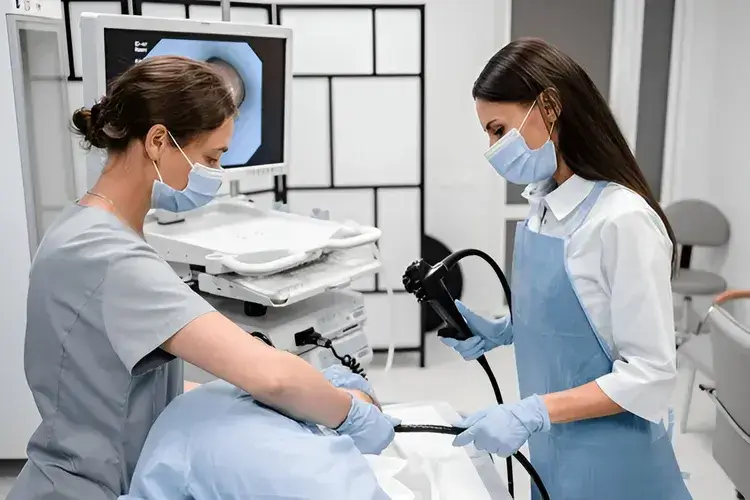
Colonoscopy is an endoscopic examination that analyzes the inside of the colon and rectum using a flexible camera scope. The doctor observes the intestinal lining in real time, enabling fast detection of polyps, inflammation, bleeding, or early cancer stages. It is the most reliable method for early colon cancer detection and monitoring inflammatory bowel diseases.
When is colonoscopy recommended?
Colonoscopy under anesthesia
Fear of colonoscopy often leads to delay. At Medical Time, this procedure is routinely performed under sedation.
The patient sleeps lightly and feels nothing while the anesthesiologist continuously monitors vital signs.
The procedure usually lasts 20 to 40 minutes. Modern video endoscopes ensure high diagnostic precision.
During the exam, the doctor can safely remove polyps or take biopsy samples if needed.
Within 15-20 minutes after the procedure, patients wake up recovered and ready for discharge with escort.
Important patient note: Colonoscopy with sedation is painless. Because of anesthesia, you must come with an escort and avoid driving afterward.
How to prepare for examination?
Preparation quality is crucial for accurate findings and clear mucosal visualization.
A few days before, patients switch to a light low-fiber diet without seeds.
The day before, a special laxative solution is used for bowel cleansing.
On procedure day, no solid food and no liquids except minimal water as instructed.
Every Medical Time patient receives detailed written preparation instructions and support.
What can colonoscopy detect?
- Presence of polyps that can progress to malignancy over time
- Active inflammation, ulcerations, and colitis-related changes
- Diverticulosis and sources of internal bleeding
- Parasites, lesions, and other specific pathological changes
- Early signs of colon and rectal cancer when treatment is highly effective
- Immediate possibility of polyp removal during the same procedure
Frequently asked questions about colonoscopy
No. The exam is done under short intravenous sedation, so patients sleep and feel no discomfort.
The exam itself takes 20-40 minutes, while total stay with recovery is about 1-2 hours.
Yes, bowel cleansing and adapted diet are essential for clear visibility and accurate diagnostics.
It is recommended as preventive screening after age 50, earlier with symptoms, bleeding, or family history.
In most cases, polyps can be safely and painlessly removed during the same procedure.
Book your consultation
Our team is here to answer all your questions and suggest the best plan for you.