Ketamine as a treatment for depression

Ketamine as a treatment for depression

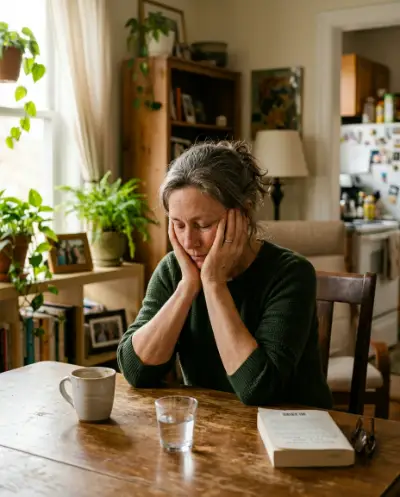
In recent years, ketamine has caused a revolution in modern psychiatry, offering hope to patients who do not respond to standard therapies.

Although known primarily as an anesthetic for decades, scientific research has confirmed its exceptional effectiveness in treating mental disorders.

Ketamine therapy has proven to be a powerful tool for rapidly relieving symptoms of chronic depression, anxiety, and PTSD.

At Medical Time hospital, we implement strictly controlled, safe, and personalized ketamine administration with top experts.

How does ketamine affect the brain?

How does ketamine affect the brain?

Unlike traditional drugs targeting serotonin, ketamine primarily acts on glutamate, the most abundant neurotransmitter in the brain.

This unique mechanism triggers the rapid growth of new neural connections (synapses), a process called neuroplasticity.

It helps restore damaged brain pathways caused by long-term chronic stress and deep depression.

Relief often occurs in many patients within just a few hours to a couple of days after the first therapy session.

The therapy acts as a kind of brain reset, allowing patients to form new and healthier thinking patterns.

What does the therapy process look like?

What does the therapy process look like?

Every process begins with a detailed psychiatric and somatic evaluation to determine if the patient is a suitable candidate.

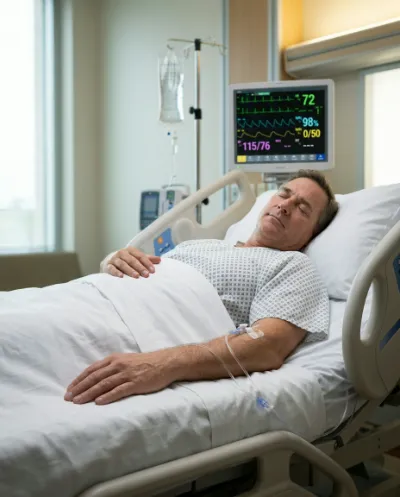
Ketamine is most commonly administered via a life-saving intravenous infusion in a safe, pleasant, and calming hospital environment.

The therapy session usually lasts 40 to 60 minutes, during which the patient may experience mild altered states of perception.

Our expert team of anesthesiologists and psychiatrists is with you at all times, monitoring pulse, pressure, and oxygen levels.

After the treatment, there is time allocated for relaxation and recovery before the patient safely goes home with an escort.

Expected results and benefits

Expected results and benefits

The biggest advantage of ketamine is its exceptional speed of action; while standard SSRIs require weeks, ketamine can work on day one.

Patients often report feeling that a heavy mental burden has suddenly been lifted, regaining hope and a desire for life.

This therapeutic window allows classic psychotherapy to become much more effective, as the brain is more receptive.

Numerous clinical studies attest to an impressive success rate of over 70% even in the most difficult, previously untreatable cases.

Why choose Medical Time?

1

A top-tier medical team of experienced psychiatrists and anesthesiologists dedicated to your health.

2

A holistic approach that includes adequate psychological preparation and experience integration post-therapy.

3

A modernly equipped hospital space designed to provide maximum comfort, privacy, and a sense of absolute safety.

4

Precise and strictly personalized dosing adapted to your genetics, body mass, and specific type of illness.

5

Continuous patient monitoring after the initial protocol to ensure stable and long-term positive results.

6

Fast availability of therapy without months of waiting, which is common for innovative psychiatric methods.

Frequently asked questions about ketamine therapy

Yes, when administered in controlled clinical conditions by a professional medical team, ketamine is very safe. The doses used for treating depression are significantly lower than those used in general anesthesia.
A standard initial protocol typically involves a series of 6 infusions spaced over 2 to 3 weeks. After that, occasional maintenance treatments are planned as needed in consultation with the doctor.
Side effects are generally mild, transient, and only occur during the infusion itself. They may include mild dizziness, slight blood pressure elevation, and a temporary feeling of dissociation that fades quickly.
In most cases, no. Ketamine can often be safely administered alongside your existing therapy. Your psychiatrist will review your medication list in detail before starting.
No. Due to the nature of the medication and its temporary effect on motor skills and reflexes, driving is strictly prohibited for the rest of the day. It is highly recommended to arrange safe transportation home.