

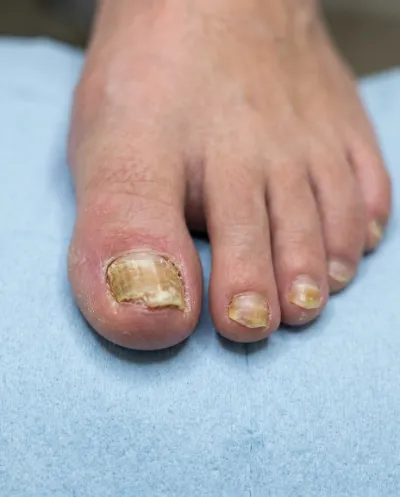
Nail fungus – treatment

Nail fungus – treatment

Nail fungus (onychomycosis) is a common and stubborn infection that changes the color, thickness and structure of the nail, and spreads easily if left untreated.

Let us be honest – there is no magic wand that solves this problem in 7 days. Ads promising instant cures almost always disappoint.

Realistic nail fungus treatment lasts from 45 days to 6 months, because the infected nail must fully grow out and be replaced by healthy new tissue.

At Medical Time Hospital in Belgrade, therapy is carried out under medical supervision and precise diagnosis, so the result is lasting, not just temporary relief.
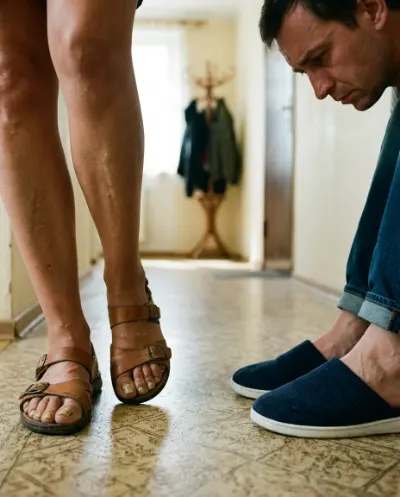

How to recognize nail fungus?

1

Color change – yellow, white, brown or even greenish shades that spread over time.

2

Thickening of the nail, which becomes hard, uneven and difficult to trim.

3

Brittleness and crumbling, where nail edges break and separate from the nail bed.

4

Unpleasant odor and buildup of debris underneath the nail plate.

5

Pain or tenderness when walking, wearing shoes or applying light pressure.

6

Gradual spread to neighboring nails, especially if the infection is not treated in time.

Types of nail fungus treatment

Types of nail fungus treatment

Topical antifungal therapy – lacquers and solutions applied directly to the nail, suitable for mild and early-stage infections.

Systemic (oral) therapy – tablets that act from within, always under medical control with liver function monitoring.

Laser treatment – a modern method using heat energy to target the fungus, with less strain on the body.

Medical pedicure and nail debridement – removing the infected part helps the medication penetrate and speeds up healthy growth.

Combined therapy – a mix of methods the doctor selects based on infection severity and your overall health.

Why does treatment take so long?

Why does treatment take so long?

A fingernail grows about 3 mm per month, and a toenail even slower, so full replacement takes several months.

The fungus sits deep in the nail plate and bed, where medication struggles to reach, so patience is key.

Healthy tissue must gradually grow out and push away the infected part, and this cannot be rushed into a few days.

Stopping therapy too early leaves hidden spores that reactivate the infection as soon as conditions allow.

This is why the realistic treatment window is 45 days to 6 months, and even longer for stubborn cases.

How to prevent recurrence?

How to prevent recurrence?

Keep your feet dry and change socks regularly, since fungi thrive in warm, moist environments.

Wear breathable footwear and avoid walking barefoot in shared showers and pools.

Do not share pedicure tools and regularly disinfect clippers and nail files.

See a doctor at the first sign of nail changes, as early infection is far easier to treat.

Results of proper treatment

1

Gradual return of natural color and a smooth, healthy nail surface without thickening.

2

Stopping the spread of infection to surrounding nails and skin between the toes.

3

Elimination of unpleasant odor and discomfort when wearing shoes and walking.

4

Significantly lower chance of recurrence with consistent therapy and proper care.

5

A better aesthetic look of feet and hands, with restored confidence.

6

A lasting solution instead of the constant return that follows quick, unfinished treatments.

Frequently asked questions about nail fungus

No. There is no medicine that clears onychomycosis in a week. The infected nail must grow out, so realistic treatment lasts from 45 days to 6 months.
On average from 45 days to 6 months, depending on infection severity, nail growth speed and whether therapy is followed consistently to the end.
Yes. The doctor first sets an accurate diagnosis, since not every nail change is fungus, and only then defines the most suitable and safe treatment plan.
It can, especially if therapy is stopped too early or prevention measures are ignored. Consistent treatment and proper care greatly reduce the risk.
Laser treatment is usually well tolerated, with a mild warming sensation. The number of sessions and plan are set by the doctor based on the nail's condition.