

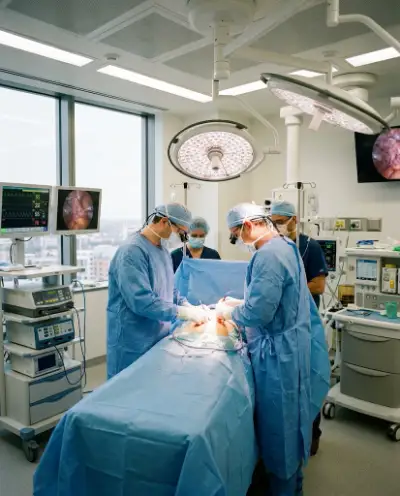
Pilonidal sinus - surgery as a permanent solution

Pilonidal sinus - surgery as a permanent solution

Pilonidal sinus, popularly known as ingrown hair on the coccyx, is a chronic inflammation of the skin and subcutaneous tissue in the final part of the spine (sacrococcygeal region).

This condition occurs when a hair penetrates the skin and causes the body to react to the foreign body, which leads to the formation of cysts, painful abscesses and pus channels.

Although antibiotics and drainage can temporarily relieve symptoms, the only permanent and definitive solution for pilonidal sinus is surgery.

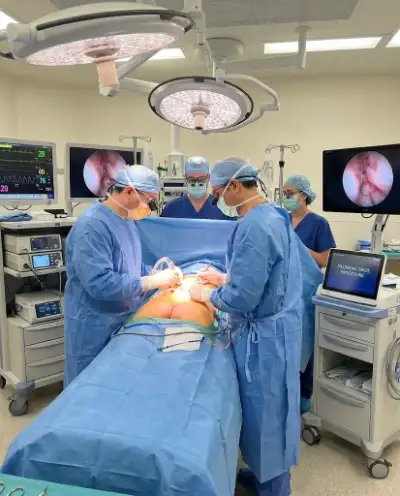
At Medical Time Hospital, pilonidal sinus surgery is performed using state-of-the-art surgical techniques that enable radical cyst removal with minimal tissue trauma and quick recovery.

The most common symptoms of pilonidal sinus

1

Swelling and redness – The first sign is the appearance of a painful swelling above the coccyx that is tender to the touch.

2

Pain when sitting - Due to the localization, the pressure while sitting or driving becomes extremely uncomfortable and painful.

3

Leaking pus - From small openings (sinuses) on the skin, pus or foul-smelling blood can drain.

4

Fever - In the case of acute inflammation and the formation of a large abscess, fever and malaise may occur.

5

Visible dimples – The appearance of one or more dimples on the skin in the midline of the gluteal fold.

6

Frequent infections - Symptoms often subside and then return again unless the problem is solved surgically.

What does pilonidal sinus surgery look like?

What does pilonidal sinus surgery look like?

The operation is most often performed under general or local potentiated anesthesia, depending on the size and depth of the pilonidal cyst.

The surgeon makes an incision and completely removes the affected tissue, including the cyst, pus ducts and ingrown hairs, down to the healthy tissue.

Depending on the condition, the wound can be closed with stitches (primary closure) or left open to heal gradually (secondary healing), which prevents recurrence of the disease.

Our surgeons also apply modern plastic-reconstructive techniques (so-called flaps) when the defect is large, which ensures faster healing without tissue tension.

The operation itself takes between 30 and 60 minutes, and the patient can usually go home the same or the next day.

Recovery and wound care after surgery

Recovery and wound care after surgery

Postoperative recovery depends mostly on whether the wound is closed with sutures or left open to heal from the bottom up.

If the wound is open, regular daily dressings, washing of the wound and maintenance of impeccable hygiene are necessary, which may take several weeks.

Patients are advised to avoid prolonged sitting and sleeping on their backs for the first few days to reduce pressure on the wound.

Regular removal of hair (shaving or laser epilation) around the wound and the surrounding region is absolutely necessary in order to prevent recurrence, i.e. the re-emergence of sinuses.

The return to daily activities and lighter work is possible already after one to two weeks, depending on the recommendation of the surgeon.

Why is surgery the only real solution?

Why is surgery the only real solution?

Conservative treatment with antibiotics solves only the current infection, but does not remove the cause - the capsule of the cyst and accumulated hair under the skin.

Surgical removal completely eliminates the diseased tissue, which minimizes the risk of the disease returning (recurrence).

Timely surgery prevents the spread of inflammation to the surrounding tissues and the creation of complex subcutaneous channels that require much more aggressive interventions.

In the long term, the operation restores the patient's quality of life, relieves him of constant pain, leakage and constant visits to incisions and drains.

Treatment at Medical Time Hospital

1

Our team consists of experienced general and plastic surgeons with extensive experience in solving even the most complex pilonidal sinuses.

2

Application of the most modern surgical techniques (reconstruction with flaps) for faster healing and a better aesthetic result.

3

Operating rooms equipped according to the highest international standards that guarantee absolute sterility and safety.

4

A dedicated team of nurses who train the patient on proper wound care and dressing at home.

5

Possibility of one-day surgery - the patient is discharged for home treatment very quickly after waking up from anesthesia.

6

Continuous monitoring of the patient through regular postoperative controls until the wound is completely healed.

Frequently asked questions about surgery

The cost of pilonidal sinus surgery depends on the size of the change, the surgical method and the type of anesthesia. You can see the exact price in our price list or find out after an examination with a surgeon.
The surgical procedure itself is completely painless because it is performed under anesthesia (general or local). After surgery, mild to moderate pain is possible, which is easily controlled with analgesics.
Although surgery offers the best chance of a permanent cure, there is a small risk of recurrence. Regular shaving and hygiene of the area are key to preventing recurrence.
It depends on the type of work and the method of operation. You can usually return to office work in 10 to 14 days, with caution when sitting. Intense training is avoided until the wound is completely healed.
In most cases, patients go home the same day, a few hours after the intervention. If the operation was more extensive, it is possible to stay for 24 hours for monitoring.